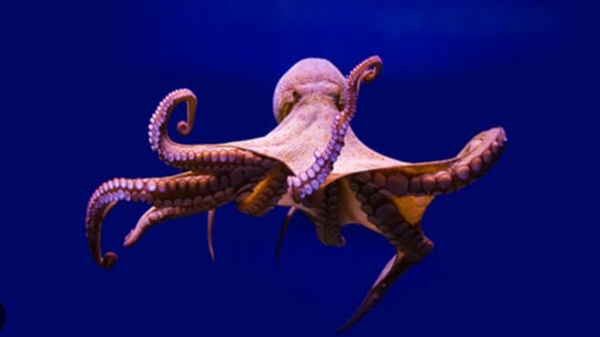
Nature has been refining its designs for billions of years, long before humans began inventing tools and machines. Animals, in particular, have evolved extraordinary adaptations that solve complex problems—how to move efficiently, survive extreme conditions, communicate, hunt, and protect themselves. Scientists, engineers, and designers increasingly look to these natural solutions for inspiration, a practice known as biomimicry.
Biomimicry is not just about copying nature; it is about understanding the principles behind natural systems and applying them to human challenges. From high-speed trains to medical devices, animal adaptations have played a significant role in shaping modern technology.
This article explores twelve remarkable animal adaptations that have directly influenced innovations in human technology, transforming industries and redefining what is possible.
1. Kingfisher Beak and High-Speed Train Design
One of the most famous examples of biomimicry comes from the kingfisher bird. This bird dives into water at high speed to catch fish, transitioning smoothly from air to water with minimal splash.
Engineers faced a similar problem when designing high-speed trains. Early models produced loud sonic booms when exiting tunnels due to sudden pressure changes. The solution came from studying the kingfisher’s beak. Its streamlined shape reduces resistance and prevents splashing.
By redesigning the train’s nose to mimic this shape, engineers achieved:
- Reduced noise pollution
- Improved energy efficiency
- Increased speed
This innovation demonstrates how a simple natural adaptation can solve a complex engineering challenge.
2. Gecko Feet and Adhesive Technology
Geckos can climb smooth surfaces, including glass ceilings, without slipping. This ability comes from millions of tiny hair-like structures on their feet called setae, which create molecular attraction forces.
Scientists replicated this mechanism to develop advanced adhesives that:
- Work without glue or residue
- Can be reused multiple times
- Function on various surfaces
Applications include:
- Wall-climbing robots
- Medical bandages
- Space equipment handling tools
Unlike traditional adhesives, gecko-inspired materials rely on physical forces rather than chemicals, making them cleaner and more sustainable.
3. Shark Skin and Drag-Reducing Surfaces
Sharks are incredibly efficient swimmers, despite their size. Their skin is covered with microscopic structures called dermal denticles, which reduce drag and prevent the buildup of algae and bacteria.
This adaptation has inspired:
- Swimwear designed for competitive athletes
- Coatings for ships and submarines
- Antibacterial hospital surfaces
By mimicking shark skin, engineers have created materials that reduce friction in water and inhibit microbial growth, improving both performance and hygiene.
4. Owl Wings and Silent Flight Technology
Owls are known for their silent flight, allowing them to hunt without being detected. Their wings have a unique structure with serrated edges that break up airflow and reduce noise.
This adaptation has influenced:
- Quieter aircraft wings
- Wind turbine blade design
- Noise-reduction technology in ventilation systems
Reducing noise pollution is a major challenge in urban environments, and owl-inspired designs provide effective solutions without compromising performance.
5. Termite Mounds and Sustainable Architecture
Termites build large mounds in hot climates while maintaining a stable internal temperature. These structures use natural ventilation systems to regulate heat and airflow.
Architects have used this concept to design energy-efficient buildings that:
- Reduce reliance on air conditioning
- Maintain consistent indoor temperatures
- Lower energy consumption
Such buildings use passive cooling systems inspired by termite mounds, making them environmentally friendly and cost-effective.
6. Humpback Whale Fins and Wind Turbines
Humpback whales have large fins with bumps along the edges, known as tubercles. These bumps improve the whale’s maneuverability in water.
Engineers applied this concept to:
- Wind turbine blades
- Aircraft wings
- Industrial fans
The result is improved efficiency, reduced drag, and better performance at lower speeds. This innovation allows machines to operate more effectively in varying conditions.
7. Lotus Leaf and Self-Cleaning Surfaces
Although technically a plant, the lotus leaf is often studied alongside animal adaptations due to its practical applications. Its surface repels water and dirt due to microscopic textures.
This principle has been used to create:
- Self-cleaning glass
- Water-repellent clothing
- Anti-stain coatings
These surfaces reduce the need for cleaning chemicals, making them both convenient and environmentally friendly.
8. Bat Echolocation and Sonar Systems
Bats navigate in complete darkness using echolocation. They emit sound waves and interpret the echoes to determine the location of objects.
This biological system has inspired:
- Sonar technology used in submarines
- Medical imaging devices like ultrasound
- Navigation systems for the visually impaired
Echolocation demonstrates how sound can be used as a precise tool for spatial awareness, even in challenging environments.
9. Spider Silk and Advanced Materials
Spider silk is one of the strongest and most flexible materials found in nature. It is lightweight yet stronger than steel of the same thickness.
Researchers are developing synthetic versions of spider silk for:
- Bulletproof vests
- Medical sutures
- Lightweight construction materials
Its unique combination of strength and elasticity makes it ideal for applications where durability and flexibility are essential.
10. Elephant Trunks and Robotic Arms
An elephant’s trunk is highly versatile, capable of lifting heavy objects as well as performing delicate tasks. It combines strength, flexibility, and precision.
This adaptation has inspired:
- Robotic arms used in manufacturing
- Surgical robots
- Prosthetic limbs
These technologies aim to replicate the trunk’s ability to handle objects with both power and sensitivity, improving efficiency in various fields.
11. Cheetah Speed and Athletic Design
The cheetah is the fastest land animal, capable of reaching incredible speeds in short bursts. Its body structure is optimized for acceleration and agility.
This has influenced:
- Athletic footwear design
- Prosthetic running blades
- Performance engineering in vehicles
By studying how cheetahs maximize speed and efficiency, engineers have improved designs that require rapid movement and energy optimization.
12. Penguin Feathers and Thermal Insulation
Penguins survive in extremely cold environments thanks to their densely packed feathers, which trap air and provide insulation.
This adaptation has inspired:
- Insulated clothing
- Thermal building materials
- Cold-weather gear
The ability to retain heat efficiently is critical in many industries, and penguin-inspired designs help reduce energy loss and improve comfort.
The Broader Impact of Biomimicry
These examples highlight how animal adaptations have influenced technology across multiple sectors, including transportation, medicine, architecture, and materials science. Biomimicry offers several key advantages:
Sustainability
Nature’s solutions are often energy-efficient and environmentally friendly. By mimicking these systems, humans can reduce waste and conserve resources.
Innovation
Looking to nature opens new pathways for creativity and problem-solving. Many breakthroughs come from observing how animals handle challenges.
Efficiency
Natural adaptations are optimized over millions of years, making them highly effective. Applying these principles can lead to better-performing technologies.
Challenges in Biomimicry
Despite its potential, biomimicry is not without challenges:
- Complexity: Natural systems are highly intricate and difficult to replicate.
- Cost: Developing biomimetic technologies can be expensive.
- Scalability: Some designs work well in nature but are hard to apply on a large scale.
However, ongoing research continues to overcome these barriers, making biomimicry more accessible and practical.
The Future of Animal-Inspired Technology
As technology advances, the role of biomimicry is expected to grow. Emerging fields such as nanotechnology, artificial intelligence, and robotics are increasingly incorporating biological principles.
Future possibilities include:
- Self-healing materials inspired by living organisms
- Advanced robotics that mimic animal movement
- Smart systems that adapt to changing environments
By continuing to study animal adaptations, humans can unlock new solutions to global challenges, from climate change to healthcare.
Conclusion
Animals are not just part of the natural world—they are master engineers whose designs have stood the test of time. From the silent wings of owls to the adhesive feet of geckos, their adaptations have inspired groundbreaking innovations that shape modern technology.
Biomimicry bridges the gap between nature and human ingenuity, showing that some of the best solutions already exist in the world around us. By observing, understanding, and applying these natural principles, we can create technologies that are not only more efficient but also more sustainable.