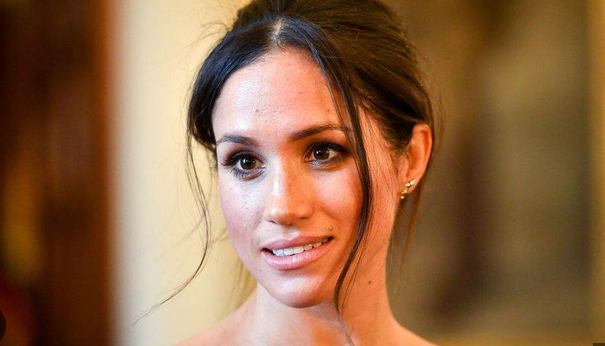
Few modern public figures have experienced the kind of intense global scrutiny that Meghan Markle has faced. From her early days as a Hollywood actress to her transformation into a member of the British royal family, and later her dramatic exit from royal duties, Meghan’s life has unfolded in full view of the public.
With fame comes fascination—and with fascination comes speculation. Over the years, countless headlines have claimed to expose Meghan’s “darkest secrets.” But what lies behind these claims? Are they rooted in truth, exaggerated narratives, or the byproduct of relentless media attention?
This article takes a deep dive into the controversies, alleged secrets, and misunderstood aspects of Meghan Markle’s life, separating fact from rumor while exploring how her story became one of the most polarizing in modern celebrity culture.
A Complicated Beginning: Family Tensions and Hidden Struggles
Before she became a duchess, Meghan Markle lived a relatively normal—though ambitious—life in California. However, her family dynamics have often been described as complex and, at times, deeply strained.
Her father, Thomas Markle, played a significant role in her early life, but their relationship became fractured in the lead-up to her wedding. Reports suggest he staged paparazzi photos and later sold private information to tabloids, causing embarrassment and emotional distress.
The situation escalated when a private letter Meghan sent to her father was published by a newspaper—an act she later challenged in court and won, citing invasion of privacy.
Her half-siblings also frequently criticized her publicly, adding to the perception of a deeply divided family. These conflicts painted a picture of a woman trying to distance herself from a troubled past while stepping into one of the most scrutinized roles in the world.
The Hollywood Years: Ambition and Reinvention
Before meeting Prince Harry, Meghan was best known for her role in the TV series Suits. Like many aspiring actors, her journey was marked by persistence, rejection, and reinvention.
Some unauthorized biographies have claimed that Meghan was highly strategic in building her image and network, carefully cultivating relationships that could elevate her career.
Critics have framed this as calculated ambition, while supporters see it as determination—a woman navigating a competitive industry with intelligence and resilience.
Her lifestyle blog, The Tig, further demonstrated her desire to craft a personal brand. It offered glimpses into her personality, interests, and worldview, but also fueled speculation about how she curated her public image.
Breaking Royal Protocol: A Rebel Duchess?
When Meghan married Prince Harry in 2018, she entered an institution steeped in centuries of tradition. Almost immediately, she was labeled a “rule-breaker.”
Reports highlighted moments where she deviated from royal protocol—such as speaking openly to the media, displaying affection publicly, or making independent fashion choices.
To some, these actions symbolized a refreshing modernization of the monarchy. To others, they were seen as disrespectful or disruptive.
Behind the scenes, insiders claimed Meghan struggled with the rigid hierarchy and expectations of royal life. She reportedly found the system restrictive and difficult to adapt to, particularly given her independent background.
Allegations of Staff Bullying: Truth or Smear?
One of the most controversial and damaging allegations surrounding Meghan Markle involves claims that she mistreated palace staff.
A former royal aide publicly revisited accusations that Meghan had bullied multiple employees during her time as a working royal.
Some reports described high staff turnover and tense working relationships. Critics used these claims to paint a picture of a demanding and difficult employer.
However, the situation remains deeply contested. Buckingham Palace conducted an internal review, but the findings were never publicly released. Supporters argue that the allegations were part of a broader campaign to discredit her, especially as she and Harry became increasingly independent.
The truth likely lies somewhere in the gray area—where personality clashes, cultural differences, and institutional pressures intersect.
Media Wars: Victim or Master Strategist?
Meghan Markle’s relationship with the media has been one of the defining aspects of her public life.
On one hand, she has been the target of relentless tabloid scrutiny, often involving racially charged undertones and invasive reporting. This led her and Prince Harry to take legal action against several media outlets.
On the other hand, critics argue that Meghan has also used media strategically—through interviews, documentaries, and public statements—to shape her narrative.
The couple’s high-profile interview with Oprah Winfrey marked a turning point, revealing deeply personal grievances and allegations about the royal family. It also intensified public debate about whether Meghan was exposing the truth or controlling the narrative.
The Royal Exit: Megxit and Its Fallout
In 2020, Meghan and Harry made the unprecedented decision to step back from their roles as senior royals—a move widely referred to as “Megxit.”
The decision shocked the world and sparked intense speculation about what had driven the couple to leave.
According to their own accounts, the reasons included:
- Lack of support from the royal institution
- Negative media coverage
- Internal family tensions
Critics, however, suggested alternative motives—such as a desire for financial independence or greater control over their public image.
The truth likely involves a complex combination of factors, including personal well-being, cultural clashes, and the pressures of global fame.
The “Secret Past” Narrative: Fact vs. Tabloid Fiction
Tabloids have repeatedly attempted to uncover a “secret past” for Meghan Markle, often publishing sensational claims about her life before royalty.
These stories have ranged from exaggerated portrayals of her Hollywood career to outright fabricated allegations.
In many cases, such claims originate from unreliable sources or are later challenged legally.
This pattern highlights a broader issue: the commercialization of scandal. In a media environment driven by clicks and controversy, even unverified claims can gain traction if they attract attention.
Fame, Identity, and the Burden of Representation
As a biracial woman marrying into the British royal family, Meghan Markle represented a historic shift. However, this also placed her under an extraordinary level of scrutiny.
She has spoken about feeling isolated and unsupported, even revealing struggles with mental health during her time as a royal.
At the same time, critics argue that she embraced the spotlight and leveraged her identity for influence.
This dual narrative—victim versus opportunist—has defined much of the public discourse surrounding her.
The Business of Being Meghan Markle
After stepping away from royal duties, Meghan and Prince Harry entered the world of business and media production.
Their deals with major companies, including streaming platforms, signaled a new chapter focused on storytelling and advocacy.
However, these ventures have also faced criticism and mixed success, with some projects receiving backlash or underperforming expectations.
This has fueled further speculation about their motivations and long-term strategy.
Public Perception: Polarization Like No Other
Few public figures divide opinion as sharply as Meghan Markle.
To her supporters, she is:
- A trailblazer challenging outdated traditions
- A victim of media bias and institutional neglect
- A modern woman asserting her independence
To her critics, she is:
- A calculated strategist
- A disruptor of royal unity
- A figure who thrives on controversy
This polarization reflects broader societal debates about race, gender, power, and media influence.
The Role of the Royal Family: Conflict Behind Closed Doors
Much of the intrigue surrounding Meghan Markle stems from her relationship with the royal family.
Reports of tensions with senior members, including Prince William, have fueled speculation about internal divisions.
Some accounts suggest that palace aides and courtiers played a significant role in shaping perceptions and conflicts.
Others argue that Meghan’s approach clashed with the institution’s expectations, making conflict inevitable.
The Myth of “Dark Secrets”
The phrase “dark secrets” suggests hidden truths waiting to be uncovered. But in Meghan Markle’s case, many of these so-called secrets are better understood as:
- Public controversies
- Personal struggles
- Media-driven narratives
Rather than a single shocking revelation, her story is a mosaic of experiences—each interpreted differently depending on perspective.
Conclusion: A Story Still Unfolding
Meghan Markle remains one of the most talked-about figures of the 21st century—not because of a single secret, but because of the complexity of her story.
She is:
- A former actress
- A duchess
- A mother
- A public figure navigating unprecedented scrutiny
Her journey raises important questions about fame, privacy, and the power of narrative in shaping public perception.
In the end, the “darkest secrets” surrounding Meghan Markle may reveal less about her and more about the world watching her—eager for drama, divided in opinion, and endlessly fascinated by the intersection of celebrity and royalty.