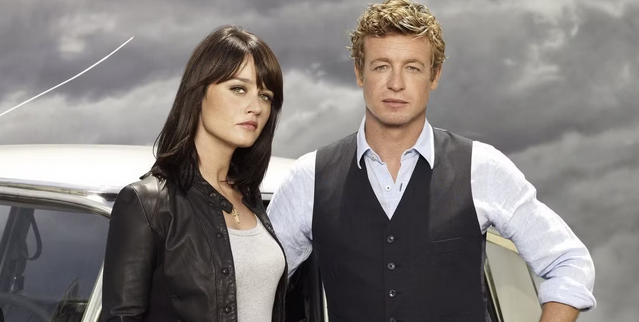
For many fans who remember her as the sharp, composed Teresa Lisbon on The Mentalist, it can feel like Robin Tunney suddenly disappeared. She was once everywhere—starring in cult classics, award-winning indie films, and hit television series—then, almost quietly, she faded from the mainstream spotlight.
But the truth is far more nuanced than a simple disappearance. Tunney didn’t vanish—her career evolved, shifted priorities, and followed a path that many Hollywood stars eventually take but rarely get credit for.
Let’s take a deep, detailed look at what really happened to Robin Tunney.
Early Fame: A Star in the Making
Robin Tunney’s rise to fame in the 1990s was anything but accidental. She emerged during a decade that defined a generation of actors, quickly building a reputation for taking on emotionally complex roles.
Her early breakthrough came with Empire Records, a film that wasn’t initially a blockbuster but later became a cultural phenomenon. She followed that with The Craft, where she played Sarah Bailey—a role that cemented her as a recognizable face in Hollywood.
Unlike many actresses of her era, Tunney leaned toward darker, more unconventional characters. This helped her stand out in a crowded industry but also subtly shaped the trajectory of her career.
She didn’t chase traditional “Hollywood glamour” roles—instead, she gravitated toward projects that had emotional weight.
Critical Acclaim and Artistic Credibility
Tunney’s performance in Niagara, Niagara earned her the prestigious Volpi Cup for Best Actress at the Venice Film Festival.
That win should have launched her into A-list territory. And for a moment, it seemed like it would.
She appeared alongside Arnold Schwarzenegger in End of Days, and starred in major studio films like Vertical Limit.
However, this phase of her career reveals an important truth: success in Hollywood is not always linear.
While she was talented and critically respected, she never fully transitioned into blockbuster stardom.
The Shift to Television
In the mid-2000s, Tunney made a move that many film actors once avoided—she transitioned into television.
She appeared in Prison Break as Veronica Donovan, a role that introduced her to a new generation of viewers.
But her biggest success came shortly after.
The Mentalist: Her Defining Role
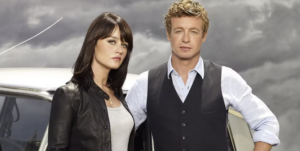
In 2008, Tunney landed the role that would define her career—Teresa Lisbon in The Mentalist.
The show ran for seven seasons (2008–2015), making it one of the longest and most stable periods of her professional life.
Her performance was widely praised for its balance of strength, intelligence, and emotional restraint. While the show was often centered on Simon Baker’s character, Tunney’s Lisbon became the emotional anchor of the series.
This period explains a lot about her later “disappearance.”
Because when a show runs for nearly a decade, it often defines—and sometimes confines—an actor’s public identity.
So Why Did She Seem to Disappear?
After The Mentalist ended in 2015, fans expected Tunney to jump into another major role.
That didn’t happen—at least not in the way people anticipated.
Here’s why:
1. She Stepped Away from the Spotlight
Tunney didn’t retire—but she became more selective.
After years of working steadily, especially on a demanding TV schedule, she slowed down. This is a common but often misunderstood move among actors who’ve already achieved financial stability and recognition.
Instead of chasing constant visibility, she chose quality over quantity.
2. Focus on Family Life
Tunney’s personal life played a significant role in her reduced screen presence.
She became engaged to interior designer Nicky Marmet and went on to have two children.
Parenthood often reshapes priorities—especially in an industry that demands long hours, travel, and unpredictability.
Rather than staying in the relentless Hollywood cycle, Tunney chose a more balanced life.
3. Hollywood’s Age Factor
This part is less comfortable—but important.
Hollywood has long struggled with roles for women over 40. Even talented actresses often find fewer leading opportunities as they age.
Tunney, despite her skill and reputation, faced the same industry reality.
Instead of forcing herself into unsuitable roles, she appeared to step back and wait for projects that genuinely interested her.
4. She Never Chased Fame—Only Work
Some actors actively pursue celebrity status.
Robin Tunney never really did.
Throughout her career, she leaned toward:
- Indie films
- Character-driven stories
- Supporting roles with depth
This meant she was respected—but not always highly visible in mainstream media.
Life After The Mentalist
Although she wasn’t dominating headlines, Tunney didn’t disappear completely.
She continued working in smaller but notable projects:
- The Fix – a short-lived but high-profile show
- Looking Glass alongside Nicolas Cage
- Horse Girl
She also made appearances in newer series like Dear Edward.
These projects show a clear pattern: she didn’t leave acting—she simply shifted toward less commercial, more selective roles.
The Myth of “Disappearing”
The idea that Robin Tunney “vanished” is largely a perception issue.
In reality:
- She worked consistently for over two decades
- She starred in a long-running hit TV series
- She transitioned into a more private life afterward
Many actors follow this exact path—but because they’re no longer constantly in the spotlight, audiences assume they’re gone.
A Career Defined by Longevity, Not Hype
Tunney’s career is a reminder that success in Hollywood isn’t always about staying in headlines.
Instead, it can mean:
- Building a diverse body of work
- Earning critical respect
- Maintaining longevity without burnout
She achieved something many actors don’t—a sustained, steady career without scandal or collapse.
Personal Life: Stability Over Stardom
Unlike many celebrities, Tunney’s personal life has remained relatively low-profile.
She experienced a divorce earlier in life but later found long-term stability with Nicky Marmet.
Her focus shifted toward family, which naturally reduced her public appearances and media visibility.
This isn’t a fall from fame—it’s a conscious life choice.
The Industry’s Changing Landscape
Another reason Tunney feels less visible today is the transformation of Hollywood itself.
The rise of:
- Streaming platforms
- Franchise filmmaking
- Social media-driven fame
has changed how audiences perceive relevance.
Actors who aren’t constantly trending online can seem absent—even when they’re still working.
Tunney simply doesn’t play the modern “visibility game.”
What She’s Doing Now
As of recent years, Robin Tunney remains active in the industry, though at a slower pace.
She continues to:
- Take on selective acting roles
- Balance career and family life
- Stay largely out of tabloid culture
There’s no dramatic downfall, no scandal, and no mystery disappearance.
Just a career that matured—and a life that shifted priorities.
Why Fans Still Care
Robin Tunney’s enduring appeal comes from the authenticity she brought to her roles.
Whether it was:
- The vulnerable outsider in The Craft
- The determined lawyer in Prison Break
- The grounded, intelligent Lisbon in The Mentalist
She played characters that felt real.
That kind of connection doesn’t fade—even if the actor steps out of the spotlight.
Final Thoughts: The Truth Behind the Question
So, what really happened to Robin Tunney?
Nothing dramatic.
No scandal. No collapse. No disappearance.
Instead:
- She built a respected career
- Starred in a long-running hit show
- Chose family and balance over constant fame
- Continued working on her own terms
In a world obsessed with visibility, her story might seem unusual—but it’s actually one of the healthiest outcomes a Hollywood career can have.