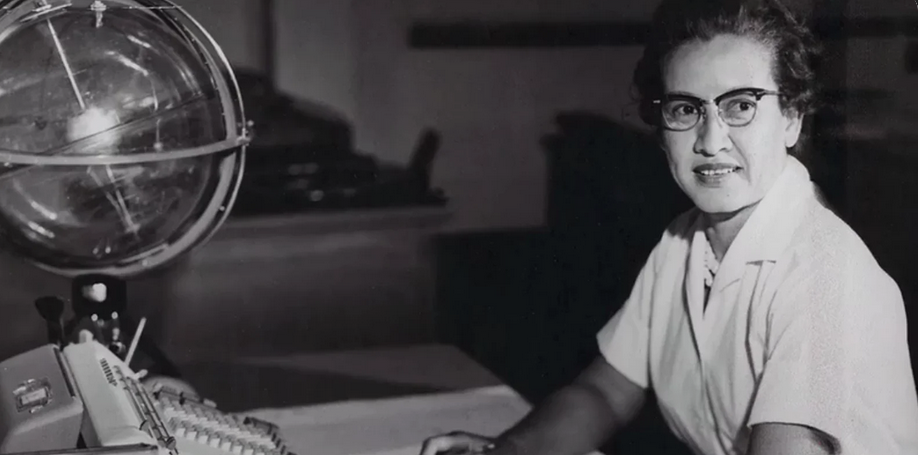
Throughout history, innovation has often been portrayed as a male-dominated field. However, this narrative overlooks the countless contributions made by women whose inventions have shaped modern life in profound ways. From everyday household conveniences to groundbreaking scientific advancements, women have played a pivotal role in technological progress—often without receiving the recognition they deserved.
In fact, historical barriers such as limited access to education, financial constraints, and societal expectations prevented many women from patenting or promoting their inventions. Despite these challenges, female inventors persevered, creating solutions that continue to influence our daily lives today.
This article explores nine remarkable inventions that you probably didn’t know were introduced by women. Each of these innovations highlights not only creativity and problem-solving but also resilience in the face of adversity.
1. The Dishwasher – A Revolution in Household Chores
The modern dishwasher, a staple in kitchens around the world, owes its existence to Josephine Garis Cochran, who patented her invention in 1886.
At the time, dishwashing was a labor-intensive task often done by hand. Cochran, frustrated by servants chipping her fine china, sought a better solution. Instead of relying on scrubbing mechanisms like earlier attempts, she designed a machine that used water pressure to clean dishes effectively.
Her invention was initially marketed to hotels and restaurants because it was too expensive for households. However, it laid the foundation for the modern dishwashers we rely on today.
Impact:
- Saved time and labor in kitchens
- Improved hygiene standards
- Became a standard appliance worldwide
2. Kevlar – A Life-Saving Material
When you think of bulletproof vests, you might not immediately think of a woman scientist—but you should.
Stephanie Kwolek, a chemist working at DuPont, invented Kevlar in 1966. This synthetic fiber is incredibly strong, lightweight, and heat-resistant.
Kevlar is now used in:
- Bulletproof vests
- Helmets
- Aerospace materials
- Industrial equipment
Impact:
Kevlar has saved countless lives by providing protection in dangerous situations, from military operations to law enforcement.
3. The First Home Security System
Home security systems are now common, but the concept was pioneered by Marie Van Brittan Brown in 1969.
Living in a high-crime area and often home alone at night, Brown created a system that included:
- A sliding camera
- TV monitors
- Two-way communication
- A panic button to alert authorities
Impact:
Her invention became the foundation for modern CCTV and smart home security systems.
4. The Life Raft – Saving Lives at Sea
In 1880, Maria E. Beasley improved the design of life rafts, making them safer and more reliable.
Unlike earlier flat designs, her raft included guard rails to prevent passengers from falling off during emergencies.
Impact:
- Increased survival rates in maritime disasters
- Influenced modern emergency equipment design
5. The Fold-Out Bed (Space-Saving Furniture)
Urban living often requires creative use of space, and this problem was addressed by Sarah E. Goode in 1885.
She invented the cabinet bed, a piece of furniture that functioned as both a desk and a bed.
Impact:
- Inspired modern multifunctional furniture
- Ideal for small apartments and urban housing
6. The Car Heater – Comfort in Cold Weather
Driving in cold weather is much more comfortable today thanks to Margaret A. Wilcox, who patented the first car heater in 1893.
Her system redirected heat from the engine to warm the interior of the vehicle.
Impact:
- Improved driving comfort
- Became a standard feature in all modern vehicles
7. The Feeding Tube – A Medical Breakthrough
Bessie Virginia Blount invented a feeding device in the 1940s to help disabled veterans eat independently.
Her design allowed patients to receive food through a tube activated by biting.
Impact:
- Improved quality of life for disabled individuals
- Contributed to modern medical feeding technologies
8. Cataract Treatment Technology
Vision restoration took a major leap forward thanks to Patricia E. Bath, who invented the Laserphaco Probe in 1988.
This device used laser technology to remove cataracts more precisely and less invasively than previous methods.
Impact:
- Restored vision for millions
- Advanced modern ophthalmology
9. Stem Cell Isolation Techniques
In 1991, Ann Tsukamoto helped develop the first method for isolating human stem cells.
This breakthrough has been crucial for:
- Cancer research
- Regenerative medicine
- Advanced therapies
Impact:
Stem cell research continues to transform medicine and offers hope for treating previously incurable diseases.
Why These Contributions Matter
The inventions listed above are just a small sample of the countless innovations introduced by women. Yet, many of these contributions remained underappreciated for decades.
Historically, women faced significant barriers:
- Limited access to education
- Legal restrictions on owning patents
- Lack of funding and recognition
As a result, many female inventors either went unnoticed or had their work credited to others—a phenomenon often referred to as the “Matilda Effect.”
The Hidden Pattern Behind Women’s Inventions
A fascinating pattern emerges when examining these inventions: many were created to solve practical, real-world problems.
- Cochran improved dishwashing efficiency
- Brown enhanced home safety
- Blount helped disabled patients
- Goode optimized living space
This problem-solving mindset highlights how women have often innovated based on everyday needs—making their inventions incredibly impactful and widely adopted.
The Ongoing Rise of Women Innovators
Today, the number of women in science and technology is growing, but disparities still exist. Women represent a smaller percentage of patent holders in many technical fields, though participation is steadily increasing.
Encouragingly, modern initiatives are:
- Promoting STEM education for girls
- Supporting female entrepreneurs
- Recognizing historical contributions
Lessons We Can Learn
These stories teach us several important lessons:
1. Innovation Has No Gender
Creativity and intelligence are not limited by gender. Women have always been capable of groundbreaking discoveries.
2. Recognition Matters
Acknowledging contributions helps inspire future generations and correct historical imbalances.
3. Everyday Problems Can Lead to Big Ideas
Many of these inventions began with simple frustrations or observations.
4. Persistence Pays Off
Despite facing obstacles, these women continued to innovate and succeed.
Conclusion
The history of invention is richer and more diverse than many people realize. Women have played a crucial role in shaping the modern world, contributing innovations that range from life-saving medical technologies to everyday household conveniences.
The next time you load a dishwasher, turn on a car heater, or rely on a home security system, remember that these innovations were made possible by brilliant women who refused to let societal barriers stop them.
Their stories are not just about invention—they are about resilience, creativity, and the power of determination.